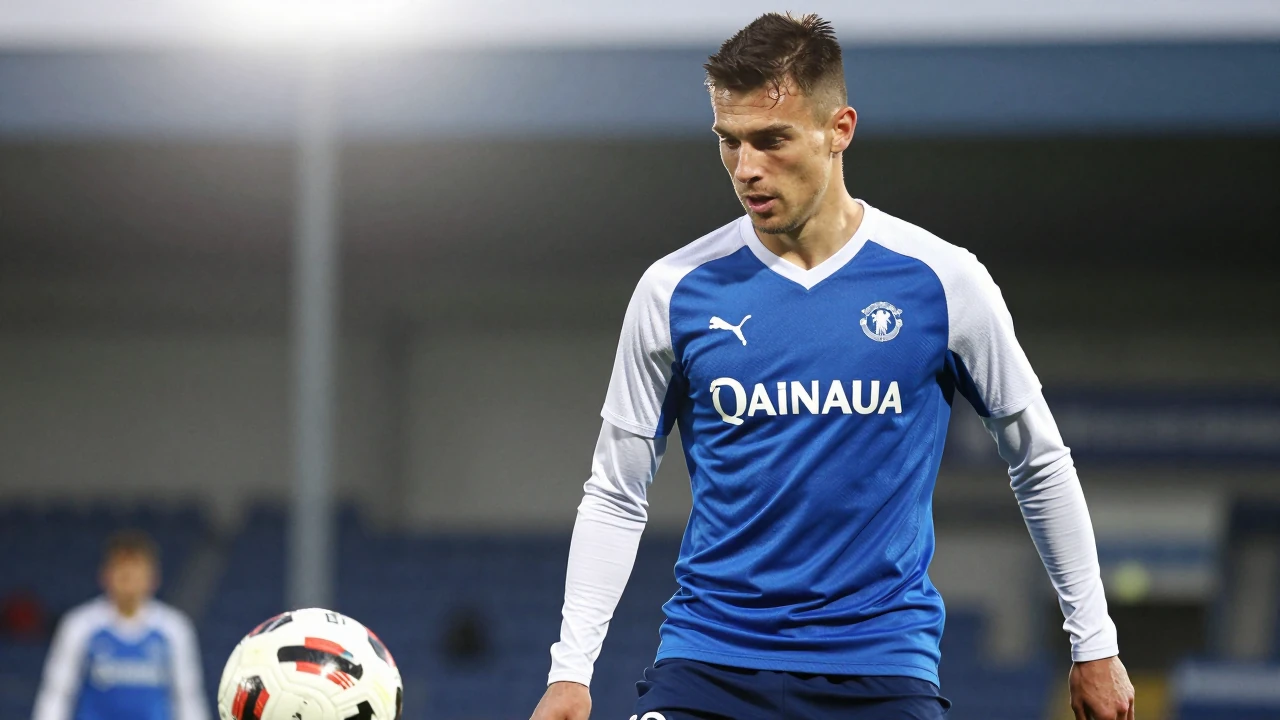

Recent Tactical Analysis of Dundee United's Form
Dundee United, known affectionately as The Terrors, have faced a challenging run of form in recent matches, leaving fans yearning for a return to their attacking flair and solid defensive displays. While there have been moments of brilliance, such as individual performances from key players, a deeper look at their tactical structure reveals areas ripe for improvement.
Formation and Structure
Currently employing a 4-2-3-1 formation, Dundee United's shape has provided some stability in the midfield but has often left them vulnerable on the flanks. The two central defensive midfielders have had to cover a large area, which can lead to fatigue and gaps when opposing teams exploit the wide areas. Switching to a more dynamic 4-3-3 could allow for better control in the midfield, enabling the wide players to push higher up the pitch while the central trio provides robust coverage and support.
Defensive Cohesion
Defensively, The Terrors have struggled with communication and cohesion, especially during set pieces. Integrating a more zonal marking system could alleviate some of these issues, as it would allow defenders to focus on their assigned areas rather than becoming preoccupied with specific opponents. Additionally, having the central defenders step out to engage attackers earlier could disrupt the opposition's rhythm and reduce the number of clear-cut chances they create.
Midfield Dynamics
In the midfield, introducing a more aggressive pressing strategy could enhance Dundee United's ability to win the ball back in advanced positions. By encouraging the attacking midfielders to press the backline of the opposition, it can create opportunities for quick turnovers and capitalise on mistakes. This requires a cohesive understanding among the players, ensuring the team moves as a unit rather than leaving gaps that opponents can exploit.
Attacking Threat
Offensively, The Terrors should focus on creating a more fluid attacking front. The current system often sees the wingers too isolated, limiting their impact on the game. Encouraging the wingers to cut inside while overlapping full-backs provide width could stretch the opposition’s defensive line, creating more space for central attackers to exploit. Furthermore, incorporating more interchanges between the forwards could disorient the defenders, allowing for more goal-scoring opportunities.
Set Pieces as a Weapon
Set pieces have often been overlooked as a significant avenue for scoring. Implementing specific routines that exploit the physicality of players like the centre-backs can turn dead-ball situations into goal-scoring chances. This requires meticulous planning and rehearsal on the training ground, but the dividends can be substantial, especially in tight matches.
Conclusion
In conclusion, Dundee United has the talent and potential to rise through the ranks of the league, but tactical adjustments are essential for unlocking that potential. By refining their formation, enhancing defensive cohesion, adopting a more aggressive midfield pressing strategy, and being more dynamic in attack, The Terrors can not only improve their performances but also instil a renewed sense of belief in the squad. With the right tweaks, Dundee United can hope to turn their fortunes around and keep their fans dreaming of a successful season.